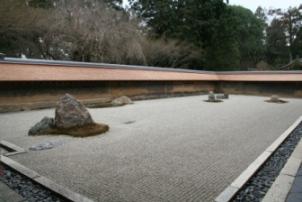
Ryoanji, which is located adjacent to Kinkakuji, is famous for its rock garden. It is a simple and mysterious garden with 15 rocks placed. The mystery of it is that the author and what it represents is unknown. Furthermore, there is no angle, except looking from overhead, where you can see all fifteen stones at once. Try finding an angle and you will know how precisely made this rock garden was.
At a glance
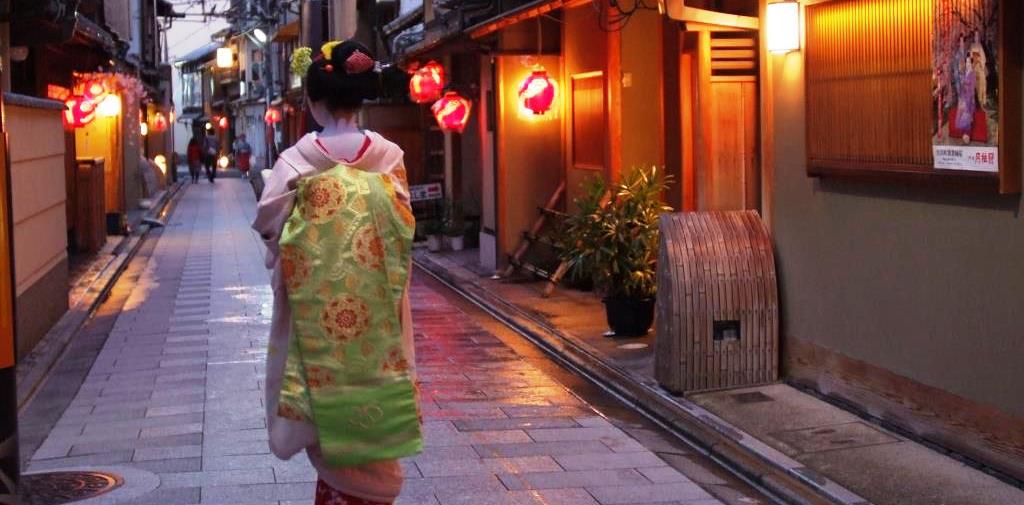
Kyoto is the cultural heart of Japan. Though most tourists first finds that the city looks like any the other modern city packed with concrete buildings upon arrival at Kyoto station, if you carefully plan what to see, eat, buy as well as where to stay, you will find Kyoto one of the most beautiful elegant ancient capitals that preserves tradition nicely co-existing with innovation. Our guests usually say "we will be back".
Highlights
It is almost impossible to come up with a short list of recommended places to visit in Kyoto. There are a wide variety of options depending on what you want to see and do, and how long you can stay. Here are only a few well-known places.
Kiyomizu temple and its neighborhood
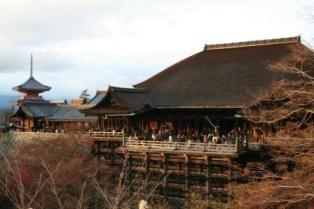
This is the most visited temple in Kyoto. Located in Higashiyama, Kyoto, the temple commands a panoramic view of Kyoto city. The main building, registered as UNESCO's world heritage, is a magnificent architecture which is supported by pillars without using a single nail. There is a phrase in Japanese "jump off the stage of Kiyomizu" which means "take the plunge" or "making a brave decision". This temple is particularly beautiful (and crowded) in cherry blossom and autumn season.
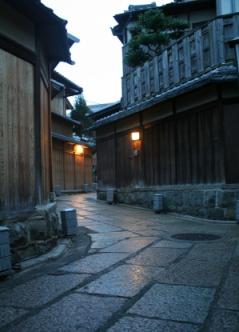
Neighborhood around Kiyomizu temple and Yasaka shrine is a historically preserved area. Strolling along the Gojo-zaka street, San-nen-zaka street lined with souvenir shops and restaurants through to Kiyomizu temple is a fun moment. Particularly, the stone-paved Ishibei-koji street, within walking distance from Kiyomizu, Yasaka shrine or Gion district, is a romantic street to visit at dawn.
After visiting Kiyomizu temple, it makes a big difference to walk through the neighboring cobble-stone streets feeling the history of 1200-years.
Kinkakuji (Golden Pavillion) and Ryoanji
Kinkakuji (Golden Pavillion), which is covered with gold leaf, is best described with the adjective "gorgeous". The temple, registered as World Heritage, is one of the must-sees for first comers to Kyoto. It was originally a villa for General Yoshimitsu Ashikaga in the late 14th century. However, in 1950, the temple was burned down and was rebuilt 5 years later. After seeing the temple, you can take a pleasant walk in the garden surrounding it.
Fushimi inari shrine
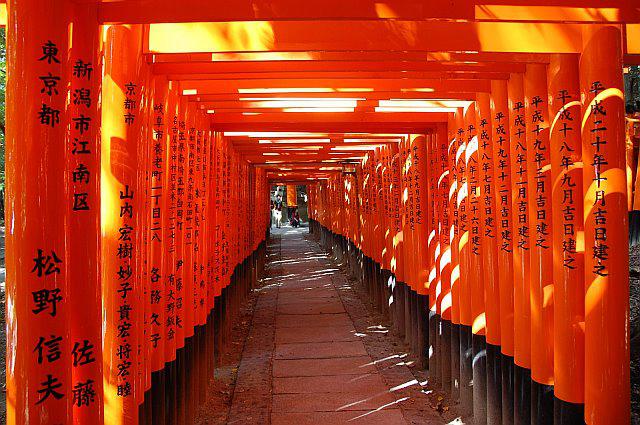
This is no doubt one of the most picturesque shrines in Japan. The highlight is walking through paths lined with thousands of vermilion toriis (shrine gate) on the hill at the back of the shrine. These torii gates are donated from small and large companies. When there are not many people around, it creates a mysterious atmosphere. In the film "Memoirs of Geisha", little Sayuri was running through these shrine gates.
Nishiki Ichiba
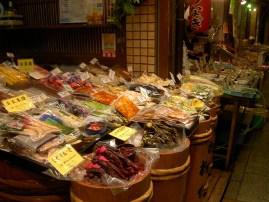
Extending about 400 meters with over 100 stores, Nishiki Market has been "Kyoto's Kitchen" for many years. You can find various foods unique in Kyoto, such as pickles, dried seaweed, Japanese tea, fresh seafood, vegetables and other local foods. Many chefs at high-class traditional Kyo-ryori restaurants buy their ingredients here to serve an exquisite cuisine.
Arashiyama
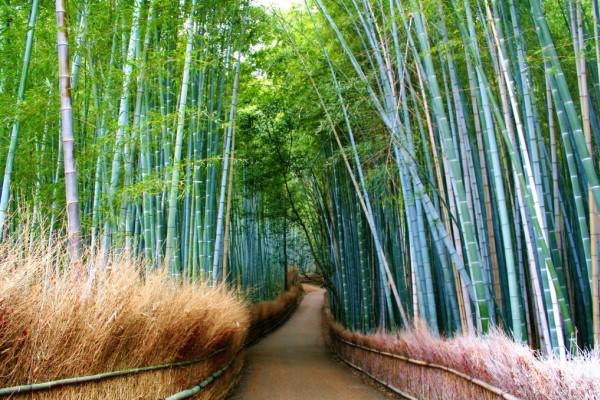
Arashiyama is a scenic suburban area of Kyoto where Oi River and surrounding mountains and centuries-old historical assets create a picturesque area to stroll around. North of Togetsu-kyo bridge lies Tenryu-ji Temple, top-ranked among the Five Great Zen Temples of Kyoto, which has a beautiful stroll-type garden that uses surrounding nature as a background of its garden landscape. Walk through the photogenic Bamboo Grove. Okochi Sanso is a breathtaking garden on a hill created by a movie star Denjiro Okochi. Family tourists with kids may find it fun to climb up to Iwatayama monkey park, where you can see wild monkey.
Arashiyama is particularly crowded with visitors who want to see cherry blossoms in spring and autumn foliage.
Sagano
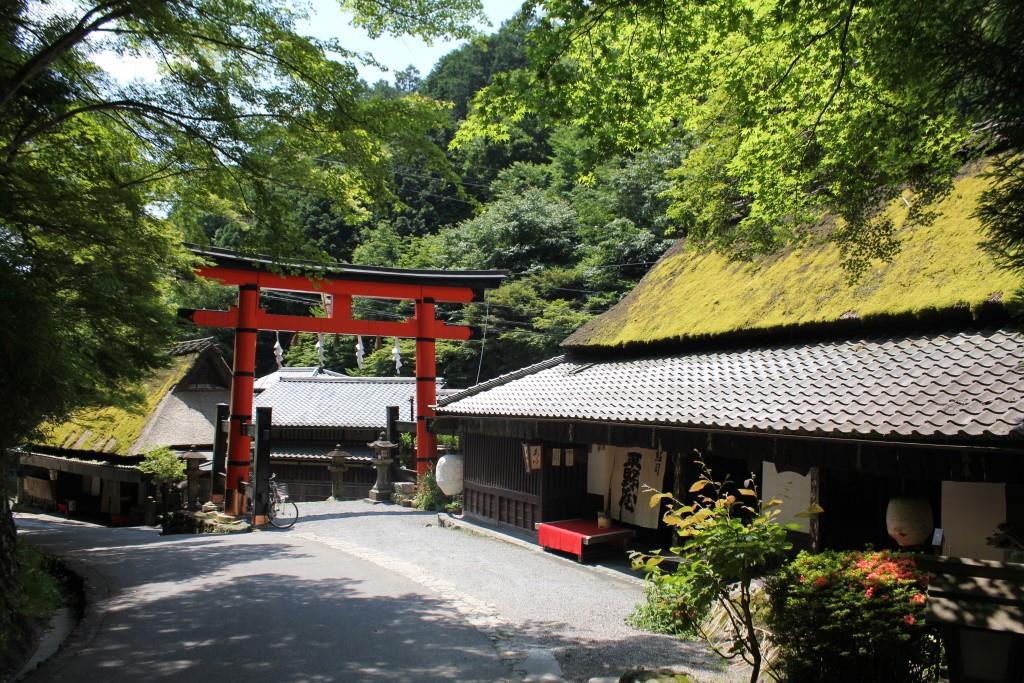
Sagano, north of Arashiyama, retains much of its rustic charm and tranquility than crowded Arashiyama area. Among temples in Sagano, Gioji temple is renowned as its moss-covered garden. When you visit late autumn, it would be very beautiful with maple leaves falling into the garden. Toriimoto, which used to be an farm village in old days, preserves beautifully preserved path and thatched-roof historical houses. Otagi-nennbutsu-ji houses 1,200 carved stone figures of Rakan donated by people from all over Japan.
Access
From Tokyo
- Tokyo - [2h. 20 min. Shinkansen] - Kyoto
Recommended Accommodations
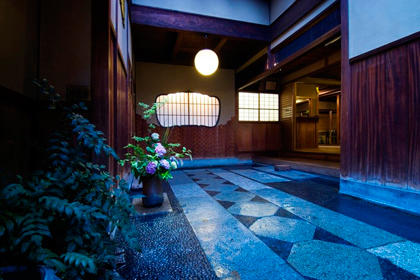 Hiiragiya (Kyoto)
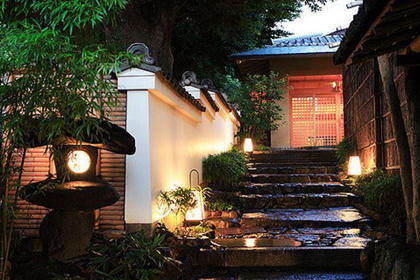 Gion Hatanaka (Kyoto)
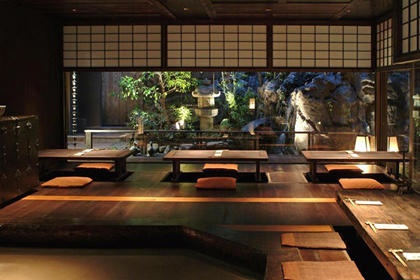 Yuzuya Ryokan (Kyoto)
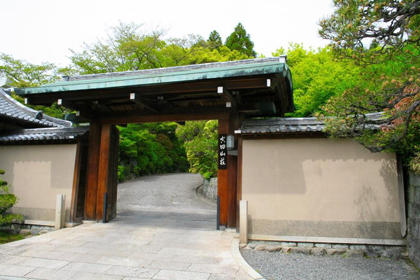 Yoshida-sanso (Kyoto)
These are a few luxurious ryokans (Japanese style inns) that we recommend. We can book other ryokans or international hotels depending on your travel plan or budget. Please contact us by E-mail (commentsmtj@michitravel.com) or phone (81-3-5213-5040).
Private Tours in/from Kyoto
 |
 |
 |
If you would like to take a 1 day Kyoto Private Tour, click Kyoto Private Tour.
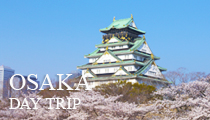
We will design your own tour of Kyoto or the surrounding area of Kyoto (Nara, Osaka, Kobe, Himeji, etc.) with an English-speaking licensed tour guide.
